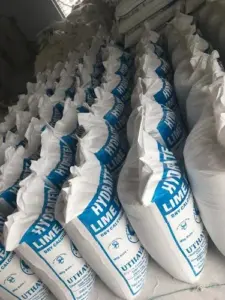
Raising soil pH with lime is a common practice to neutralize acidic soils and create a more favorable environment for plant growth. Acidic soils (low pH) can limit nutrient availability and hinder the development of many plants. Lime is commonly used to raise pH because it is a natural, cost-effective, and relatively safe material. Here’s a guide to help you understand how to raise soil pH with lime:
1. Test Soil pH:
Before adding lime, it’s crucial to know the current pH of your soil. You can use a soil pH test kit or send a soil sample to a local agricultural extension service for more accurate results.
2. Determine Lime Type:
There are different types of lime, including calcitic lime and dolomitic lime. Calcitic lime is composed of calcium carbonate, while dolomitic lime contains both calcium carbonate and magnesium carbonate. Choose the appropriate type based on your soil’s needs. If your soil lacks magnesium, dolomitic lime might be a better choice.
3. Calculate Lime Requirement:
The amount of lime needed depends on your soil’s pH and the type of plants you want to grow. Your soil test results should provide recommendations on how much lime to apply per square foot or acre. Generally, for small gardens, start with a conservative application and adjust based on future soil tests.
4. Choose Application Method:
Lime can be applied in various forms, including powdered, pelletized, or liquid lime. Powdered lime acts quickly but can be challenging to spread evenly. Pelletized lime is easier to handle and spreads more uniformly. Liquid lime is another option for rapid pH adjustment.
5. Time of Application:
Fall or early spring is the ideal time to apply lime. This allows time for the lime to react with the soil and adjust pH before the growing season. However, lime can be applied at any time if quick adjustments are needed.
6. Apply Lime Properly:
Follow the recommended rates and guidelines for application. Lime should be spread evenly over the soil surface. Consider using a spreader for larger areas. Water the area after application to help the lime move into the soil.
7. Monitor pH Regularly:
Test your soil regularly to monitor changes in pH. It’s essential to retest every 1-2 years to determine if additional lime is needed. Overapplication of lime can also be detrimental, so avoid exceeding recommended rates.
8. Consider Other Factors:
Lime can affect the nutrient balance in your soil. If you have specific nutrient concerns, consult your soil test results or seek advice from local agricultural extension services.
9. Organic Alternatives:
If you prefer organic options, agricultural lime (also known as aglime) is a naturally occurring calcium carbonate source. Wood ash is another organic option, but it should be used cautiously as it contains potassium and may raise pH too quickly.
10. Be Patient:
Lime takes time to react with the soil, and changes in pH may not be immediate. It may take several months for the full effects to be realized.
By following these guidelines, you can effectively raise soil pH with lime and create an environment that promotes healthy plant growth. Remember to base your actions on soil test results and adjust lime applications accordingly.