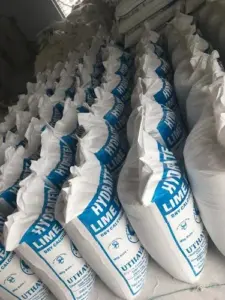
A thriving agricultural landscape begins with healthy and stable soil. Farmers continually seek ways to enhance soil quality and improve its performance in supporting plant growth. One effective method gaining popularity is the use of calcium hydroxide for soil stabilization.
Understanding Calcium Hydroxide
Calcium hydroxide, commonly known as hydrated lime, is a versatile compound with applications ranging from construction to agriculture. In the realm of agriculture, its significance lies in its ability to enhance soil properties, fostering an environment conducive to plant growth.
Key Benefits of Calcium Hydroxide in Soil Stabilization
- Improved Soil Structure:
- By reducing the plasticity of clayey soils, calcium hydroxide contributes to improved soil structure, making it more workable.
- Increased Load-Bearing Capacity:
- The addition of calcium hydroxide enhances the soil’s load-bearing capacity, providing a solid foundation for various agricultural activities.
- Mitigation of Swelling and Shrinkage:
- Expansive soils can cause issues with swelling and shrinkage. Calcium hydroxide helps alleviate these problems, ensuring stability in the long run.
Agricultural Applications
- pH Adjustment:
- Calcium hydroxide serves as a valuable tool for adjusting the pH of acidic soils, creating an optimal environment for plant growth.
- Nutrient Availability:
- Beyond stabilization, it aids in the availability of essential nutrients, fostering healthier plant development.
How to Apply Calcium Hydroxide for Soil Stabilization
- Mixing:
- Blend calcium hydroxide with the soil, either in dry form or as a slurry.
- Uniform Distribution:
- Ensure even distribution throughout the soil to maximize the effectiveness of the stabilization process.
Environmental Considerations
- Calcium Balance:
- While adding calcium is beneficial, it’s crucial to strike a balance to avoid excessive levels in the soil.
- Erosion Control:
- Consider potential runoff and erosion, implementing measures to minimize environmental impacts.
Testing and Monitoring
- Soil Testing:
- Conduct thorough soil tests before application to determine the current soil properties and the appropriate dosage.
- Regular Monitoring:
- Keep a close eye on soil properties post-stabilization to assess the effectiveness of the treatment.
Considerations and Limitations
- Cost Analysis:
- Evaluate the cost of calcium hydroxide and its application in relation to the anticipated benefits.
- Soil Compatibility:
- Recognize that the effectiveness of calcium hydroxide may vary based on soil types, necessitating compatibility assessments.
Feskana Suppliers Limited: Your Source for Quality Calcium Hydroxide
In your journey to optimize agricultural soil, sourcing high-quality calcium hydroxide is paramount. Feskana Suppliers Limited stands as a reliable partner, offering a consistent supply of premium-grade calcium hydroxide tailored to meet your soil stabilization needs. With a commitment to quality and customer satisfaction, Feskana Suppliers Limited ensures a seamless integration of this vital soil amendment into your agricultural practices.
For inquiries and orders, contact Feskana Suppliers Limited today and take a significant step toward unlocking the full potential of your agricultural endeavors. Your soil’s health is the foundation of your harvest success, and Feskana Suppliers Limited is here to support you on that journey.